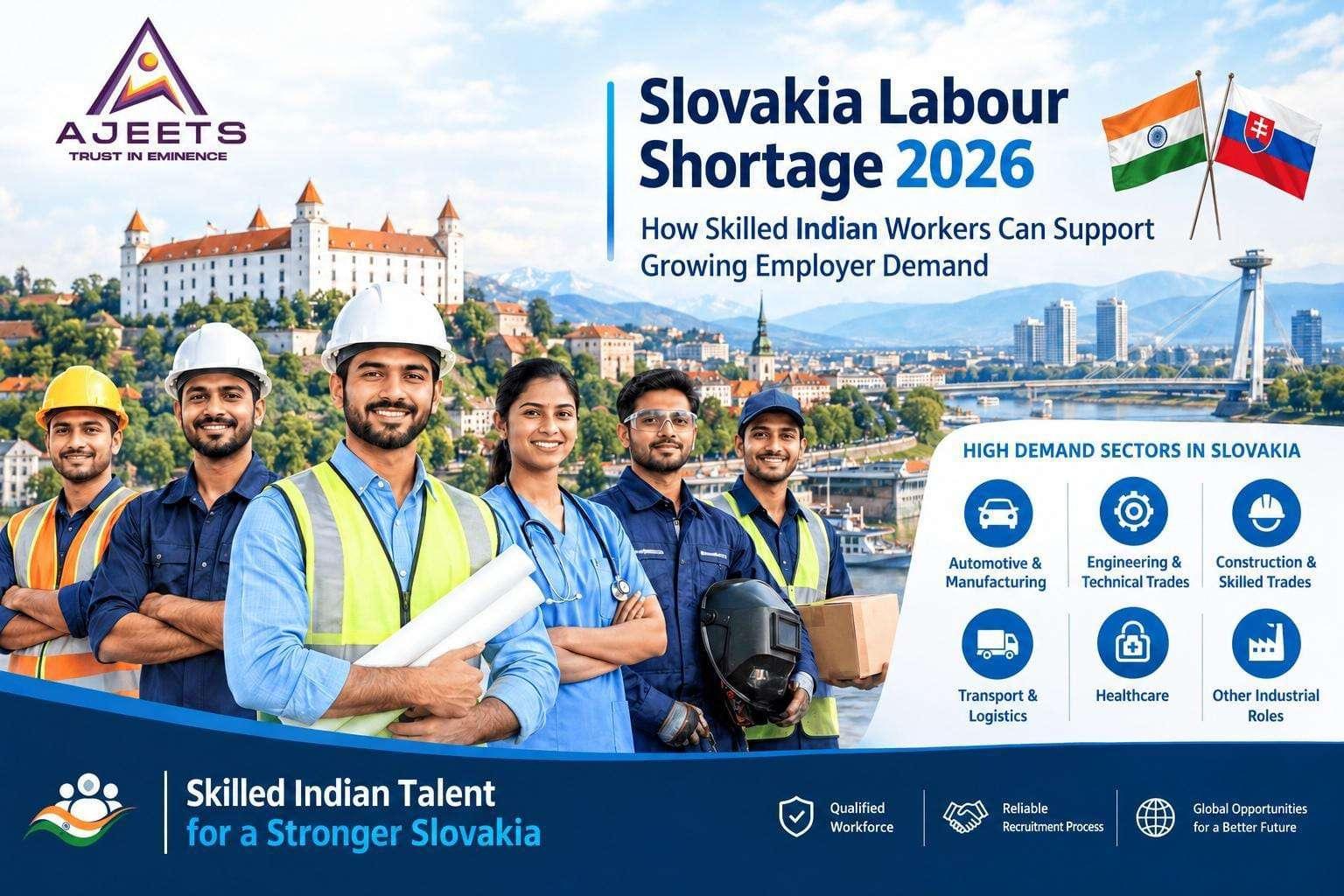

Israel’s employment market is experiencing continued demand for foreign workers across sectors where employers face workforce shortages and require reliable skilled and semi-skilled manpower. As businesses look for qualified workers from international talent markets, the role of a professional recruitment agency in Israel has become increasingly important for sourcing, screening, documentation, compliance and overseas deployment.
In 2026, international recruitment is moving beyond simply finding available workers. Employers are increasingly looking for candidates with verified skills, relevant experience, proper documentation and the ability to meet destination-country employment requirements. For overseas manpower suppliers, this creates a growing need for structured recruitment processes and transparent coordination with Israeli employers and licensed manpower organizations.
Why Is Israel Recruiting Foreign Workers in 2026?
Foreign workers play an important role in several parts of Israel’s labour market. According to the Bank of Israel’s 2025 labour-market report, foreign-worker quotas have expanded, particularly in areas such as construction, agriculture and care, while other categories include manufacturing, hotels and restaurants. The report notes that increasing foreign-worker quotas is helping address labour shortages.
This changing environment has created opportunities for international recruitment companies that can connect qualified workers with legitimate Israeli employment opportunities.
For employers, overseas recruitment can provide access to larger talent pools. For workers, it can create opportunities to use their skills in international markets through properly regulated recruitment channels.
The Growing Role of a Recruitment Agency in Israel
A modern recruitment agency in Israel can support employers and international recruitment partners through multiple stages of the hiring process.
These may include:
- Understanding employer manpower requirements
- Candidate sourcing from overseas markets
- CV and experience screening
- Skill assessment and trade testing
- Candidate shortlisting
- Documentation coordination
- Work-permit and visa support
- Pre-departure preparation
- Overseas deployment coordination
Israel’s Population and Immigration Authority is responsible for licensing and supervising areas related to foreign-worker employment, recruitment and placement, while specific sectors have their own regulatory requirements.
For this reason, recruitment should be handled through appropriate licensed and authorized channels rather than informal intermediaries.
Construction Remains an Important Recruitment Sector
Construction continues to be one of the major areas where Israel uses foreign manpower. The country has recruited workers from several international markets under regulated arrangements, including India, Sri Lanka and Moldova. Israel’s official 2024 bilateral-agreement data identifies construction among the sectors covered by foreign-worker recruitment agreements.
Demand can include skilled trades such as:
- Masons
- Steel fixers
- Formwork workers
- Carpenters
- Plasterers
- Tile workers
- Welders
- Electricians
- General construction workers
For employers, the emphasis is increasingly on skill verification rather than simply candidate availability. Trade testing, employment history and identity verification can help employers build more reliable recruitment pipelines.
New Opportunities in Trade and Service Industries
Another important 2026 recruitment trend is the expansion of foreign-worker opportunities beyond traditional sectors.
In July 2026, Israel announced an allocation of up to 5,000 permits for foreign workers in trade and service sectors in response to continuing labour shortages. The allocation included provisions for employers that had not previously received recommendations to employ foreign workers.
This development highlights the changing nature of Israel’s overseas recruitment market.
Depending on applicable quotas and regulations, international manpower recruitment may support requirements in areas such as hospitality, food services, hotels, maintenance, manufacturing and other service-related roles.
Why Employers Need Skill-Based Overseas Recruitment
Hiring internationally involves more than finding candidates who are willing to relocate. Employers need workers who match the actual requirements of the position.
A professional recruitment process can therefore include:
Requirement Analysis → Candidate Sourcing → Screening → Skill Testing → Employer Interview → Documentation → Visa Process → Deployment
For technical positions, trade testing can be particularly important. For hospitality and service roles, employers may also consider communication skills, previous experience and customer-facing abilities.
This approach can help reduce mismatches between employer requirements and candidate profiles.
India as a Talent Source for Israeli Employers
India represents a significant international talent market for employers looking for skilled and semi-skilled manpower. Indian workers are already included among the countries involved in Israel’s bilateral foreign-worker recruitment arrangements for construction.
An experienced overseas manpower recruitment company in India can help Israeli employers access candidates from different Indian states and professional backgrounds.
Potential recruitment categories can include construction workers, technicians, hospitality professionals, manufacturing workers, maintenance staff and other qualified manpower, depending on current employer demand and Israeli regulations.
For companies searching for a recruitment agency in Israel or an overseas manpower recruitment partner in India, the ability to manage sourcing and candidate verification from the initial requirement through deployment can be particularly valuable.
Compliance Is Becoming a Central Recruitment Priority
One of the biggest trends in international recruitment is the increasing importance of compliance and worker protection.
Israel’s bilateral recruitment framework is designed to promote regulated recruitment, protect workers’ rights and reduce problems associated with illegal recruitment fees and human trafficking.
This means recruitment companies need to focus on transparent processes, accurate documentation and legally compliant hiring channels.
For Indian candidates, Israel’s official work-visa process also requires approval from the relevant Israeli authorities before the visa procedure can begin. The Israeli mission in India lists documentation requirements that can include a valid passport, police clearance, birth certificate and approved medical documentation.
What Should Employers Look for in a Recruitment Partner?
When selecting a recruitment partner for Israel, employers can consider several practical factors:
1. International sourcing capability
The agency should have access to suitable overseas talent pools.
2. Skill verification
Candidates should be screened according to the actual job requirements.
3. Documentation support
International recruitment requires accurate and properly coordinated documentation.
4. Regulatory awareness
The recruitment process should account for Israeli work-permit, employment and immigration requirements.
5. Transparent communication
Employers should receive clear information about candidate profiles, recruitment stages and expected timelines.
6. Industry experience
Experience in sectors such as construction, hospitality, manufacturing and other manpower-intensive industries can help recruiters understand employer-specific requirements.
AJEETS and Overseas Recruitment for Israel
AJEETS supports international employers with overseas manpower recruitment and candidate sourcing from India. Its recruitment approach can combine candidate sourcing, screening, skill assessment, documentation coordination and deployment support for international requirements.
For Israeli employers and international recruitment partners, a structured recruitment model can help connect companies with Indian workers according to job category, experience, skill level and manpower requirements.
The recruitment process should always be aligned with the applicable Israeli regulations, employer permits and authorized recruitment channels.
The Future of Recruitment in Israel
The future of overseas manpower recruitment in Israel is likely to remain closely connected to labour-market shortages, regulated foreign-worker quotas and demand for skilled workers.
As recruitment expands across construction, agriculture, care, hospitality, trade and service industries, employers may increasingly require recruitment partners that can combine international sourcing with structured candidate verification and compliance-focused processes.
For businesses searching for a recruitment agency in Israel, the key consideration is not simply how many candidates an agency can source. The recruitment process should focus on whether candidates have the right skills, experience, documentation and eligibility for the intended employment route.
For international employers, this creates an opportunity to build more organized and sustainable overseas recruitment pipelines—particularly when working with experienced manpower recruitment partners in major talent markets such as India.
Conclusion
Israel’s foreign-worker recruitment landscape is evolving in 2026, with labour shortages, expanded foreign-worker quotas and increased emphasis on regulated recruitment influencing the market. Construction remains an important sector, while trade, services and other industries are also creating additional demand.
A professional recruitment agency in Israel can play an important role in connecting employers with international talent while supporting candidate screening, skill verification, documentation and compliant deployment.