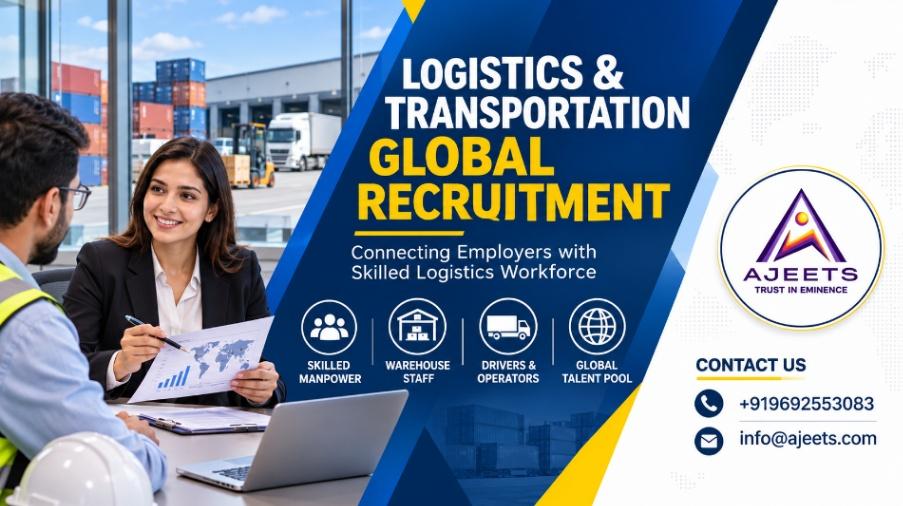
The Growing Importance of Logistics and Transportation
Logistics and Transportation are the backbone of global trade, international commerce, and modern supply chain operations.
From moving raw materials to manufacturing facilities to delivering finished products across international markets, logistics and transportation services keep businesses, industries, and economies connected.
As global trade expands and customer expectations continue to evolve, companies are increasingly investing in efficient transportation networks, advanced warehousing, freight management, and reliable supply chain operations.
However, technology and infrastructure alone cannot ensure operational success. Skilled drivers, warehouse professionals, logistics coordinators, fleet supervisors, freight specialists, and supply chain experts remain essential to maintaining efficient operations.
The global logistics industry is also undergoing significant transformation through artificial intelligence, automation, real-time tracking, sustainable transportation, and digital supply chain management. These developments are creating new opportunities while increasing the demand for qualified professionals across international markets.
For businesses looking to expand their logistics operations, having access to the right workforce is just as important as having the right transportation infrastructure. This is where AJEETS Management and Manpower Consultancy supports businesses by connecting employers with skilled and experienced manpower from international recruitment markets.
What Is Logistics and Transportation?
Logistics and transportation refer to the planning, coordination, storage, handling, and movement of goods from their point of origin to their final destination.
Transportation focuses primarily on physically moving products through road, rail, air, and sea networks, while logistics covers the broader process of managing inventory, warehousing, packaging, distribution, freight operations, and delivery schedules.
Together, these functions create an integrated supply chain that helps businesses deliver products efficiently, control operational costs, and meet customer expectations.
What is the difference between logistics and transportation?
Transportation is the movement of goods from one location to another, whereas logistics involves managing the complete flow of goods, including transportation, warehousing, inventory management, distribution, and delivery.
Major Sectors of the Global Logistics and Transportation Industry
The logistics and transportation industry includes several interconnected sectors that support international trade and commercial operations.
1. Road Transportation and Freight Services
Road transportation is one of the most widely used methods of moving goods, particularly for domestic distribution, regional deliveries, and last-mile transportation.
Companies depend on professional truck drivers, heavy vehicle operators, fleet managers, dispatchers, and transport supervisors to maintain reliable transportation services.
Key activities include:
- Long-distance freight transportation.
- Commercial goods delivery.
- Fleet and vehicle management.
- Distribution centre transportation.
- Last-mile delivery operations.
- Route planning and dispatch management.
2. Shipping and Maritime Logistics
International shipping plays a major role in global trade by connecting manufacturers, suppliers, ports, and international buyers.
Shipping companies and port operators require experienced personnel to manage vessel operations, cargo handling, shipping documentation, and port logistics.
Important job functions include:
- Shipping coordinators.
- Port operations supervisors.
- Cargo handlers.
- Marine logistics professionals.
- Shipping documentation executives.
- Container terminal operators.
3. Air Freight and Aviation Logistics
Air freight is essential for transporting high-value, time-sensitive, and urgent shipments across international markets.
This sector requires professionals who understand cargo handling, air freight documentation, warehouse coordination, customs procedures, and aviation logistics operations.
4. Warehousing and Distribution Management
Warehousing is an essential component of the modern supply chain. It involves receiving, storing, organizing, processing, and dispatching products efficiently.
Modern warehouses increasingly use automated storage systems, warehouse management software, barcode scanning, and robotics.
Common workforce requirements include:
- Warehouse managers.
- Warehouse supervisors.
- Inventory controllers.
- Forklift operators.
- Storekeepers.
- Pickers and packers.
- Material handlers.
- Loading and unloading workers.
5. Supply Chain and Freight Forwarding
Supply chain management connects suppliers, manufacturers, distributors, transportation providers, and customers.
Freight forwarding companies coordinate international shipments, customs documentation, cargo consolidation, and transportation arrangements.
Businesses require qualified supply chain analysts, procurement professionals, logistics coordinators, freight forwarders, and documentation specialists to maintain smooth operations.
What Are the Latest Global Logistics and Transportation Trends in 2026?
The global logistics industry is changing rapidly as companies adopt new technologies, strengthen supply chain resilience, and improve operational efficiency.
The following developments are shaping the industry in 2026.
1. Artificial Intelligence in Logistics
Artificial intelligence is becoming an important part of logistics planning and transportation management.
AI-powered systems can support route optimization, demand forecasting, inventory planning, shipment visibility, and operational decision-making.
Companies are increasingly exploring agentic AI, which can coordinate and execute complex workflows under appropriate human oversight.
2. Warehouse Automation and Robotics
Automation is transforming modern distribution centres and warehouse operations.
Robotic picking systems, automated storage solutions, smart conveyor systems, and inventory tracking technologies are helping companies improve productivity and reduce manual errors.
However, skilled warehouse technicians, equipment operators, maintenance professionals, and supervisors remain important for managing these systems.
3. Sustainable Transportation and Green Logistics
Environmental sustainability is becoming a major consideration for global logistics companies.
Businesses are exploring electric delivery vehicles, alternative fuels, energy-efficient warehouses, optimized delivery routes, and lower-emission transportation methods.
Green logistics strategies can help organizations reduce environmental impact while improving long-term operational efficiency.
4. Real-Time Shipment Tracking and Digital Supply Chains
Customers increasingly expect accurate shipment updates and greater visibility throughout the delivery process.
GPS tracking, Internet of Things (IoT) devices, digital freight platforms, and transportation management systems are helping companies monitor shipments and respond to delays more effectively.
5. Global Supply Chain Diversification
Geopolitical uncertainty, changing trade regulations, and transportation disruptions have encouraged companies to diversify suppliers, shipping routes, and distribution networks.
Businesses are focusing on flexible logistics strategies that can respond to unexpected challenges and maintain continuity.
6. Growing Demand for Skilled Logistics Professionals
Technology is changing logistics jobs, but human expertise remains essential.
Companies need trained professionals who can manage transportation networks, operate warehouse equipment, maintain fleet performance, coordinate shipments, and handle international logistics documentation.
The growing importance of workforce planning makes international recruitment and specialized logistics staffing increasingly valuable.
Why Is Skilled Manpower Important in Logistics and Transportation?
A reliable workforce is essential for maintaining the daily operations of logistics and transportation businesses.
Even advanced logistics systems depend on experienced employees to manage equipment, coordinate transportation, monitor inventory, and resolve operational challenges.
Here are some major reasons businesses need skilled logistics manpower:
Operational Efficiency: Experienced professionals help coordinate shipments, manage warehouse activities, and maintain delivery schedules.
Workplace Safety: Trained drivers, equipment operators, and warehouse personnel help maintain safe working environments and follow operational procedures.
Cost Management: Qualified logistics teams can support better inventory control, route planning, resource allocation, and equipment utilization.
Customer Satisfaction: Efficient transportation and distribution teams help businesses meet delivery commitments and improve service quality.
Business Expansion: Companies entering new markets need qualified employees who understand logistics operations, international transportation, and local compliance requirements.
Top Logistics and Transportation Jobs in Global Markets
The international logistics industry offers employment opportunities across transportation, warehousing, shipping, freight forwarding, and supply chain management.
Some of the most important job categories include:
Job Position
Key Responsibilities
Logistics Manager
Managing complete logistics operations
Supply Chain Manager
Coordinating end-to-end supply chain activities
Transport Manager
Supervising transportation and fleet operations
Fleet Supervisor
Monitoring vehicles, drivers, and schedules
Heavy Vehicle Driver
Transporting commercial goods and freight
Warehouse Manager
Managing warehouse operations and inventory
Forklift Operator
Handling materials and warehouse equipment
Storekeeper
Maintaining stock and inventory records
Logistics Coordinator
Coordinating shipments and delivery schedules
Freight Forwarder
Managing international freight arrangements
Inventory Controller
Monitoring stock levels and movements
Shipping Executive
Handling shipping operations and documentation
Dispatch Supervisor
Managing order dispatch and delivery activities
Material Handler
Moving and organizing goods and materials
These roles are required across logistics companies, shipping organizations, distribution centres, e-commerce businesses, manufacturing facilities, and international transportation providers.
Which Countries Have Strong Demand for Logistics and Transportation Professionals?
Logistics and transportation employment opportunities are expanding across different regions due to international trade, infrastructure development, e-commerce, manufacturing, and distribution requirements.
Some important international recruitment markets include:
Middle East
The UAE, Saudi Arabia, Qatar, Oman, Kuwait, and Bahrain offer opportunities across freight transportation, warehousing, shipping, distribution, and infrastructure-related logistics operations.
Growing commercial activity and large-scale development projects create demand for qualified transportation and logistics personnel.
Europe
Countries such as Romania, Russia, Israel, Croatia, Serbia, and other European markets have logistics requirements across road freight, warehouse management, distribution, and supply chain operations.
Professional drivers, warehouse personnel, forklift operators, and logistics coordinators are among the relevant workforce categories.
Asia-Pacific
Markets such as Singapore, Malaysia, and Brunei have established logistics, shipping, port, and international freight operations.
These markets require professionals with experience in cargo management, transportation coordination, warehousing, and supply chain operations.
Africa
Growing commercial infrastructure, trade networks, and distribution requirements are creating opportunities for logistics and transportation services across African markets.
Central Asia
Countries such as Uzbekistan and Azerbaijan are developing transportation connectivity and regional trade networks, creating opportunities in freight movement, warehousing, and supply chain management.
Actual manpower requirements vary by country, employer, project, qualifications, and applicable employment regulations.
How to Overcome Logistics Workforce Challenges?
Recruiting and retaining qualified employees is one of the major challenges facing logistics and transportation businesses.
Companies often experience difficulties in finding experienced drivers, warehouse operators, fleet supervisors, logistics managers, and specialized supply chain professionals.
Some effective workforce strategies include:
- Identify workforce requirements: Determine the number of employees, job categories, experience levels, and operational skills needed.
- Develop clear job descriptions: Specify qualifications, technical capabilities, licensing requirements, and job responsibilities.
- Use specialized recruitment partners: Work with recruitment agencies that understand international manpower sourcing and industry-specific requirements.
- Evaluate candidates carefully: Assess professional experience, technical knowledge, certifications, and job suitability.
- Prioritize safety and compliance: Verify relevant documents, licenses, and regulatory requirements before deployment.
- Invest in employee training: Provide operational, equipment, safety, and technology-related training.
- Focus on retention: Support employee welfare, professional development, and transparent workplace practices.
A structured recruitment strategy helps businesses build dependable teams and maintain consistent logistics operations.
How AJEETS Supports Global Logistics and Transportation Recruitment
Building an efficient logistics operation requires more than vehicles, warehouses, and advanced technology. It requires qualified professionals who can manage every stage of the transportation and distribution process.
AJEETS Management and Manpower Consultancy is an international recruitment and manpower consultancy supporting employers with workforce sourcing across multiple industries and international markets.
For logistics and transportation businesses, AJEETS can support recruitment requirements across different operational and professional categories, depending on employer specifications.
Our Logistics and Transportation Manpower Recruitment Focus
AJEETS can assist employers with recruitment requirements for:
- Heavy vehicle and commercial drivers.
- Warehouse and distribution personnel.
- Forklift and equipment operators.
- Logistics coordinators and supervisors.
- Storekeepers and inventory controllers.
- Shipping and freight professionals.
- Fleet management personnel.
- Supply chain and procurement professionals.
- Loading, unloading, and material handling workers.
International Manpower Sourcing
AJEETS sources manpower from multiple recruitment markets, including:
- India
- Nepal
- Sri Lanka
- Bangladesh
- Philippines
- Kenya
- Uganda
Our international recruitment approach focuses on understanding employer requirements, sourcing suitable candidates, evaluating relevant experience, and coordinating recruitment and deployment processes in line with applicable regulations.
Our Recruitment and Deployment Process
A structured recruitment process helps employers identify suitable manpower for their logistics and transportation operations.
Step 1: Understanding Employer Requirements
We understand job descriptions, manpower quantities, experience requirements, salary expectations, and project timelines.
Step 2: Candidate Sourcing
We identify suitable candidates through relevant international recruitment channels based on employer specifications.
Step 3: Screening and Evaluation
Candidates are assessed for relevant experience, qualifications, technical skills, and job suitability.
Step 4: Interview and Selection
Shortlisted candidates are presented for employer interviews, trade assessments, or other required evaluations.
Step 5: Documentation and Mobilization
Selected candidates proceed through the required documentation, medical, visa, and other applicable formalities.
Step 6: Deployment Coordination
We coordinate the recruitment and mobilization process according to the agreed employment requirements and applicable regulations.
The Future of Logistics and Transportation: People, Technology, and Global Connectivity
The future of logistics and transportation will be shaped by the combination of intelligent technologies, sustainable infrastructure, international connectivity, and skilled human resources.
Artificial intelligence and automation will continue to improve operational planning, warehouse productivity, and transportation visibility. At the same time, companies will need professionals who can operate advanced equipment, manage complex supply chains, and maintain safe and efficient operations.
Organizations that invest in both technological innovation and workforce development will be better positioned to respond to market changes and customer expectations.
A strong workforce is not simply an operational requirement; it is a long-term investment in business performance, service reliability, and supply chain resilience.
Conclusion: Build a Stronger Logistics Workforce with AJEETS
The global logistics and transportation industry depends on efficient networks, reliable infrastructure, and skilled professionals. Whether managing international freight, operating distribution centres, coordinating warehouse activities, or handling transportation networks, the right workforce makes a measurable difference.
As businesses expand into new markets and adapt to evolving supply chain requirements, having access to suitable manpower becomes increasingly important.
AJEETS Management and Manpower Consultancy aims to support international employers with recruitment and manpower solutions tailored to their operational requirements.
If your organization is planning to expand its logistics operations, strengthen its transportation workforce, or recruit qualified warehouse and supply chain professionals, connect with AJEETS to discuss your manpower requirements.
Build a stronger workforce. Strengthen your supply chain. Move your business forward with AJEETS.
Frequently Asked Questions (FAQs)
1. What is logistics and transportation?
Logistics and transportation involve the planning, storage, handling, and movement of goods from suppliers to manufacturers, distributors, and final customers. They are essential components of international trade and supply chain management.
2. What are the four main types of transportation in logistics?
The four main types of transportation are road, rail, air, and sea transportation. Businesses select transportation methods according to shipment size, delivery time, cost, destination, and cargo requirements.
3. What are the major services in the logistics industry?
Major logistics services include freight forwarding, road transportation, air freight, sea freight, warehousing, inventory management, distribution, customs coordination, and supply chain management.
4. What are the most in-demand logistics jobs globally?
Commonly required logistics roles include heavy vehicle drivers, warehouse workers, forklift operators, logistics coordinators, transport managers, fleet supervisors, inventory controllers, and supply chain professionals. Demand varies by country and employer.
5. How is AI changing the logistics and transportation industry?
AI is helping logistics companies improve route planning, shipment tracking, demand forecasting, inventory management, warehouse operations, and supply chain decision-making. It is also supporting more automated and predictive logistics processes.
6. Why is warehouse manpower important for logistics companies?
Warehouse manpower supports receiving, storing, picking, packing, inventory control, material handling, and dispatch operations. Skilled warehouse employees help improve productivity, accuracy, and workplace safety.
7. What qualifications are required for logistics and transportation jobs?
Qualifications depend on the job role. Professional drivers may require valid commercial driving licenses, while warehouse operators may need equipment certifications and practical experience. Logistics managers and coordinators may require relevant education, technical knowledge, and industry experience.
8. How can companies recruit international logistics manpower?
Companies can recruit international logistics manpower through specialized recruitment agencies, direct hiring, and authorized manpower sourcing channels. The process generally includes workforce planning, candidate sourcing, screening, interviews, documentation, and deployment.
9. Which countries supply skilled manpower for international logistics jobs?
International recruitment markets include India, Nepal, Sri Lanka, Bangladesh, the Philippines, Kenya, and Uganda. Candidate selection depends on the employer's requirements, job qualifications, experience, and applicable recruitment regulations.
10. How can AJEETS help companies with logistics and transportation recruitment?
AJEETS Management and Manpower Consultancy supports international employers with manpower sourcing and recruitment across multiple industries. Depending on employer requirements, recruitment support can cover drivers, warehouse personnel, equipment operators, logistics coordinators, supervisors, and other relevant workforce categories.
11. What are the biggest challenges in global logistics and transportation?
Major challenges include workforce shortages, rising operational costs, fuel price volatility, transportation disruptions, regulatory compliance, supply chain uncertainty, and the need for digital transformation.
12. What is the future of the global logistics industry?
The future of logistics will involve AI-powered supply chains, automated warehouses, real-time shipment visibility, sustainable transportation, digital freight management, and continued demand for skilled logistics professionals.