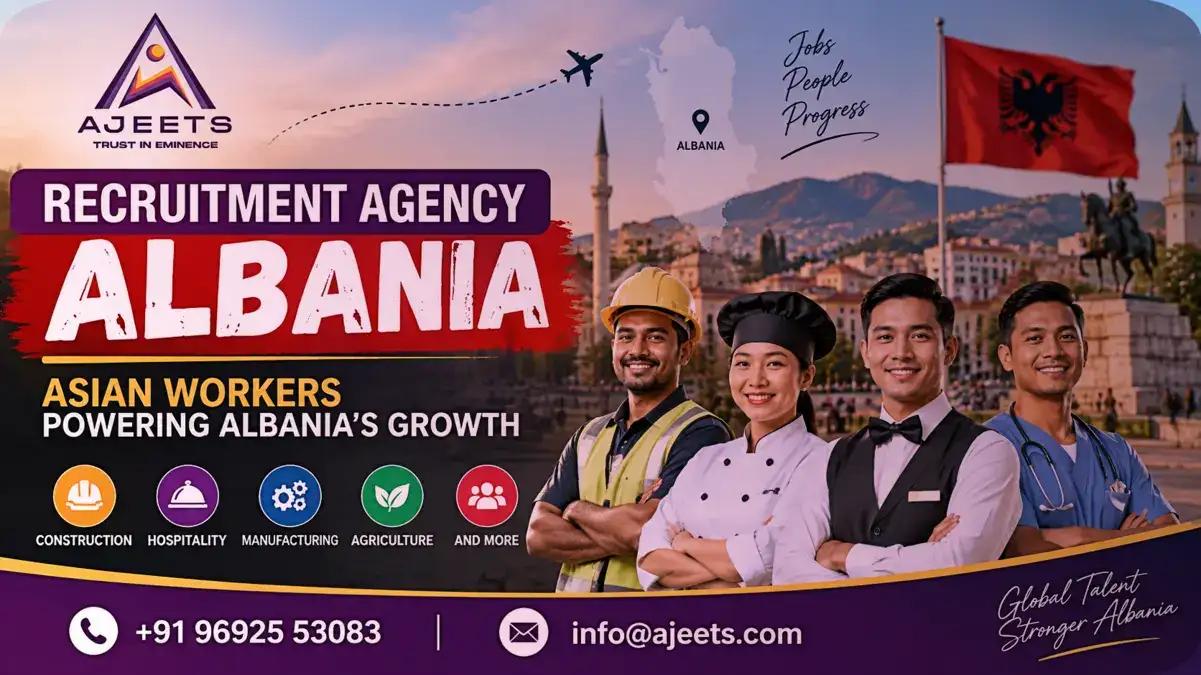
Recruitment Agency Albania: How Asian Workers Are Transforming the Workforce in 2026
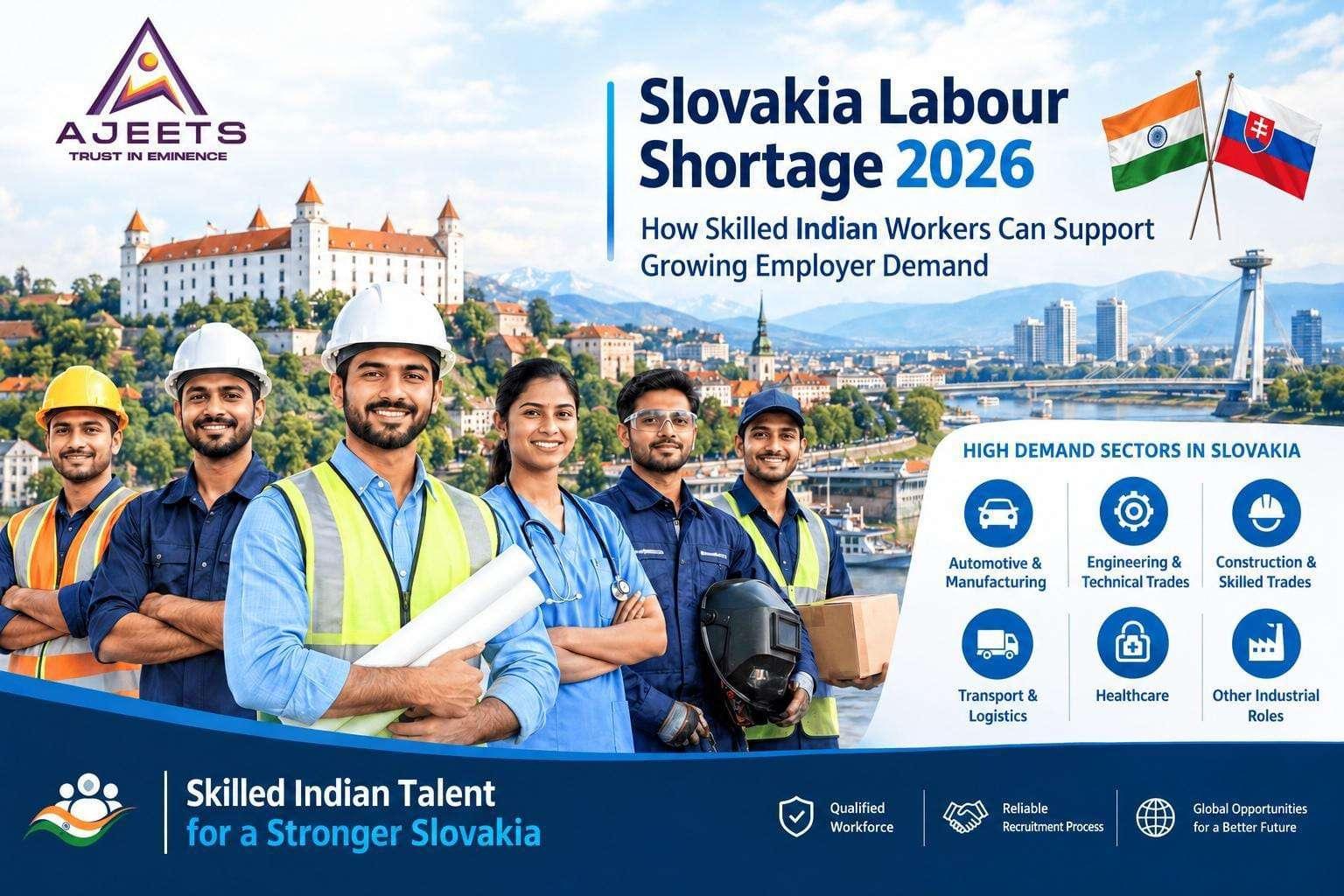
Albania's labour market is changing rapidly. Businesses in tourism, hospitality, construction, manufacturing, agriculture, transport, and other sectors are facing growing staffing challenges. At the same time, the number of foreign workers in Albania is increasing.
Asian workers are becoming an important part of this change. Workers from countries such as India, the Philippines, Egypt, Vietnam, Indonesia, Nepal, and Bangladesh are increasingly being considered for jobs in Albania.
For employers, this creates a growing need for reliable international hiring solutions. A professional Recruitment Agency Albania can help businesses identify suitable workers, manage recruitment processes, and support international workforce planning.
Why Is Albania Hiring More Foreign Workers?
Albania is experiencing a combination of labour shortages, emigration, and growing demand for workers. Many local businesses are finding it difficult to fill vacancies with domestic candidates.
The trend is particularly visible in tourism and hospitality. Hotels, restaurants, bars, and other service businesses often need workers during busy periods. Construction companies are also looking for skilled tradespeople as development projects continue.
Recent data shows the scale of the change. By June 2026, more than 22,600 foreign nationals were employed in Albania. This was a significant increase from around 18,000 at the end of 2025. Workers from the Philippines, India, and Egypt represented a major share of foreign employment.
This growth indicates that international recruitment is becoming an important part of Albania's workforce strategy.
Why Are Asian Workers Becoming Important?
Asian countries have large and diverse talent pools. They also have workers with experience across many industries.
India, for example, provides professionals and skilled workers for manufacturing, engineering, hospitality, services, and other sectors. Filipino workers are increasingly visible in hospitality, domestic care, restaurants, and service-related positions.
Albania is also strengthening labour-mobility cooperation with Asian countries. In 2026, Albania signed labour-mobility agreements with Vietnam and Indonesia. These initiatives aim to create clearer recruitment channels and improve cooperation around skills matching and worker protection.
This development can make international hiring more structured. It can also give Albanian employers access to a wider pool of potential candidates.
Which Industries Need Foreign Workers?
Foreign workers are already present across several areas of the Albanian economy.
Hospitality and Tourism
Hotels, restaurants, resorts, and tourism businesses often need additional employees during peak seasons. Common positions include:
- Waiters
- Cooks
- Chefs
- Housekeeping staff
- Cleaners
- Receptionists
- Maintenance workers
- Kitchen assistants
The hospitality industry continues to face staffing pressure. Foreign workers can help businesses maintain service levels when local recruitment does not provide enough candidates.
Construction
Construction is another major area of demand. Companies may need skilled and semi-skilled workers for different projects.
Common requirements include:
- Welders
- Electricians
- Plumbers
- Carpenters
- Bricklayers
- General construction workers
- Equipment operators
The growing demand for construction workers is linked to infrastructure, tourism development, and other investment projects in Albania.
Manufacturing
Manufacturing companies can also benefit from international recruitment. Employers may require production workers, technicians, machine operators, engineers, and maintenance staff.
Indian professionals and other international candidates can provide access to technical skills that may be difficult to source locally.
Agriculture and Transport
Agriculture and transport are also seeing demand for foreign labour. Egyptian workers, for example, are increasingly employed in areas such as transportation, livestock, and agritourism.
A well-planned international recruitment strategy can help employers fill vacancies while maintaining operational continuity.
How a Recruitment Agency Albania Supports Employers
International recruitment involves more than simply finding candidates. Employers need to consider candidate screening, documentation, employment requirements, communication, and onboarding.
A professional Recruitment Agency Albania can support employers throughout this process.
The recruitment process may include:
- Understanding the employer's workforce requirements.
- Creating suitable job descriptions.
- Sourcing candidates from international markets.
- Reviewing qualifications and experience.
- Conducting interviews and initial assessments.
- Shortlisting suitable candidates.
- Supporting documentation and employment procedures.
- Coordinating communication between employers and candidates.
- Assisting with mobilisation and onboarding.
This structured approach can reduce recruitment pressure for businesses.
Why Candidate Screening Matters
Hiring internationally requires careful candidate evaluation. A candidate may have the right job title but lack the practical skills required by an employer.
Professional screening can help verify experience, qualifications, communication skills, and job suitability.
This is particularly important in hospitality and construction. Employers need workers who can perform their responsibilities safely and effectively.
A recruitment partner can also help employers communicate job expectations clearly. This includes salary, working hours, accommodation, responsibilities, contract terms, and other relevant conditions.
Compliance and Fair Recruitment Are Important
International recruitment should be transparent and responsible. Workers should understand their employment conditions before travelling.
Albania is also placing greater attention on fair labour mobility. Government institutions and international organisations are working to improve recruitment practices and strengthen protections for foreign workers.
Employers should therefore work with recruitment partners that follow proper procedures. Transparent contracts, accurate job information, fair treatment, and clear documentation are essential.
Responsible recruitment benefits both employers and workers.
What Is Driving the Asian Worker Trend in Albania?
Several factors are supporting the growth of Asian recruitment.
First, Albania has a growing need for workers in sectors such as tourism and construction. Second, emigration has reduced the availability of some local workers. Third, international recruitment gives employers access to larger talent pools.
There is also increasing government-level cooperation with Asian countries. Albania's recent agreements with Vietnam and Indonesia show that international labour mobility is becoming more organised.
The trend is therefore not limited to one industry. It reflects a broader change in Albania's labour market.
The Role of International Recruitment in Albania's Future
Foreign workers are likely to remain an important part of Albania's workforce as businesses continue to face staffing challenges.
Recent statistics show that Asian nationals are becoming increasingly prominent among foreign residents and workers. In 2025, the number of Asian residents with permits increased significantly, while applications from Indian and Filipino nationals also recorded strong growth.
For employers, this means international recruitment can become a long-term workforce strategy rather than a short-term solution.
Companies that plan their hiring needs early can identify suitable candidates before labour shortages become more serious.
Choosing the Right Recruitment Partner
Employers should consider several factors when selecting a recruitment partner.
Experience in international recruitment is important. Knowledge of candidate sourcing, documentation, job matching, and workforce requirements can make the process more efficient.
Employers should also look for transparent communication and responsible recruitment practices.
A reliable Recruitment Agency Albania should focus on more than filling vacancies. The goal should be to connect employers with suitable workers who can contribute to long-term business growth.
Conclusion
The Albanian workforce is becoming increasingly international. Labour shortages, economic development, emigration, and growing demand in key industries are encouraging businesses to explore overseas recruitment.
Asian workers are playing an important role in this transformation. India, the Philippines, Vietnam, Indonesia, Nepal, Bangladesh, and other Asian markets offer access to large and diverse talent pools.
For Albanian employers, working with an experienced Recruitment Agencies Albania can simplify international hiring and improve access to suitable candidates.
As Albania continues to develop its labour-mobility framework, international recruitment is expected to become an increasingly important part of the country's employment landscape. The businesses that build structured, compliant, and responsible recruitment strategies will be better positioned to meet their workforce needs in the years ahead.